Welcome to the Alexander Yule Consulting Blog

Sunday, 15 July 2018

Gut instinct

It's what's inside that counts- microbiome research is 
starting to pin down how gut bacteria contribute
to a variety of disease states.
It's estimated that the number of Intestinal bacteria is roughly equal to the number of cells in our bodies and, intuitively, one would expect such a substantial and active biomass (around 200g in a 70kg adult) to have some influence on health and disease.

Increasingly sophisticated means of profiling the multitude of bacterial species found in the gut microbiome and the metabolites they produce are beginning to identify factors that contribute to inflammatory bowel disease, cardiovascular disease, metabolic diseases and how individuals respond to cancer immunotherapy. 

The role of the microbiome in gut conditions has, as might be expected, received particular attention. Inflammatory bowel disease (IBD) falls largely into two distinct types: ulcerative colitis (UC), which is confined to the large intestine; and Crohn's disease (CD), which may affect any part of the digestive tract. Both are chronic conditions characterised by periods of remission and flare, and are treatable but not curable. IBD is immune-mediated, although the trigger(s) remain largely undefined: genetics; the integrity of the gut surface, and environmental factors (diet, stress, antibiotic use) which may change the gut flora all play a part. 

Analysis of the gut microbiome in IBD sufferers suggests that both UC and CD are associated with different "microbial signatures", with certain bacterial species being present in abundance, and other species being absent or present only in low numbers. Bacterial degradation of mucin, a protective glycoprotein which lines and protects the gut is one possible contributory mechanism, as are changes in microbial fatty acid and amino acid biosynthesis. Association is by no means proof of causation- changes in the microbiome- “dysbiosis”- might result in chronic inflammation, but the reverse may also be the case.

Alteration of the microbiome through antibiotic treatment is associated with better clinical outcomes in IBD, but also appears to be a risk factor for the development of CD. There is no compelling evidence that probiotics- the "good bacteria" of marketing campaigns- are of benefit in IBD. While understandably unappealing, re-balancing the gut flora through "faecal microbial transplantation" (FMT) has been shown to be of benefit in small studies involving IBD patients. 

A recent study throws light on the relationship between one particular bacterial metabolite, ascorbate (vitamin C) and IBD. Microbially produced vitamin C does not contribute to our nutritional requirement but its presence in the gut may be significant. University of California researchers investigated 139 different microbial metabolites associated with CD for their effects on human T cells which mediate inflammatory processes. Fifteen metabolites were identified as having an effect on T cells, of which only ascorbate served as an inhibitor of T cell activation, possibly through altering glycolysis, a key energy-producing pathway.


That certain bacterial species associated with CD are capable of ascorbate production adds a little more circumstantial weight to the hypothesis, but further elucidation of the relationship between disease and gut ascorabate levels and the presence or absence of ascorbate-producing species is required before practical use can be made of this observation. 


The enzyme indoleamine-2,3-dioxygenase (IDO) has featured in a couple of my blog pieces as a target of great interest in cancer immunotherapy. IDO is an important regulator of tryptophan levels and increased IDO activity contributes to unwanted immunosuppression within the tumour microenvironment. The clinical performance of IDO inhibiting drugs in combination with established immuno-oncology agents has been less than stellar, leading to the large scale abandonment of further development [IDO a no-go: what’s up next in immuno-oncology combination therapy?]

Intriguingly and unexpectedly, IDO, or more accurately, the lack of it, has been found to have a beneficial effect on gut microbes in an animal model of obesity. IDO activity is increased in obesity and French researchers have shown that IDO action in the gut results in a "rewiring" of tryptophan metabolism which in turn impacts on insulin sensitivity, lipid metabolism in the liver, the integrity of the gut surface and levels of chronic inflammation. 

These effects are mediated through production of IL-22, a signalling protein involved in immune regulation and liver and gut epithelial cell survival. Knocking out IDO activity allows gut bacteria to direct tryptophan metabolism in a benign manner. The composition of the gut microbiome was found to be different between mice with active and inactive IDO. 

It's a leap to suppose that IDO inhibitors might eventually be repurposed as treatments for obesity, but better understanding of the interplay between "immunometabolic" mediators such as IDO and the microbiome could open up paths to better therapies or means of either preventing metabolic disease or identifying individuals at higher risk of obesity.


Photo credit: Darryl Leja, National Human Genome Research Institute, National Institutes of Health.

Sunday, 8 July 2018

Targeting tooth decay

For now, brushing beats biopharma
in caries prevention
Back in the late 90s, I was involved in the licensing of an early-stage peptide drug aimed at preventing tooth decay by blocking the anchoring of the acid-producing (and enamel destroying) bacterium, Streptococcus mutans. As is not unusual in small biopharma, development was never progressed, but I’ve remained interested in the concept of caries prevention through pharmaceutical intervention. 

Tooth decay is an infectious disease, the principal villains being S.mutans, S.sobrinus and other acid-producing/acid-loving bad actors which outstrip other bacteria present on the tooth surface and modify the local environment to their advantage. S.mutans breaks down the sugars found in our diet and the resulting acid initiates and continues the destructon of enamel and dentine, an essential tooth mineral. Caries risk is influenced by a variety of factors, the most obvious being sugar consumption and oral hygiene habits, although the recent identification of highly virulent S.mutans strains by Swedish researchers associated with mutations in saliva proteins indicates that genetics may play a part.

As a bacterial disease, it’s not surprising that vaccination has been pursued as a possible means of caries prevention. Saliva contains secretory IgA (sIgA), a class of antibody evolved for the protection of mucosal surfaces and oral protection is theoretically possible providing effective levels of specific sIgA can be generated. Vaccination is also a low-cost and practical means of protecting large populations from an early age. 

Since the 70s, a multitude of potential vaccine targets expressed by both S.mutans and S.sobrinus have been identified and evaluated in a variety of formulations and different delivery routes (systemic, oral, intranasal), largely in animal models and a small number of volunteers studies. Despite more recently applied technical sophistication (including DNA vaccines and synthetic proteins combining several bacterial targets), development has never moved out of the transitional phase and the challenge of eliciting an effective, long-lasting antibody response remains. 

Almost as old a concept is “passive” immunisation- the use of bacteria-specific antibodies delivered in a mouth rinse or gel to sequester unwanted acid-producers. While the concept has been established in animal models and a few clinical studies, formulations based on mouse, bovine, chicken and even plant-grown antibodies have remained as curiosities. 

A recent approach combines advances in antibody generation to probe for targets actually present on living S.mutans  and S.sobrinus  and evolve corresponding antibody fragments which retain their specific binding properties. Fragments can be produced cheaply at large scale, and while successful in reducing caries in an animal model, formulation to give effective protection without frequent reapplication poses a formidable problem.

A variety of both natural and synthetic peptides with antimicrobial action have been evaluated as a means of ablating S.mutans and other acid-producers, although with mixed results. Clinical trials of a “specifically targeted antimicrobial peptide”- STAMP, designated C1652 and sponsored by a small US biotech company, C3J Therapeutics, are underway. C1652 was designed to act only on S.mutans to avoid unwanted effects on the oral microbiome. 

Interestingly, C1652 treatment appears to prevent S.mutans recolonization after treatment, although it’s too early to tell whether this useful property will be observed in human studies. A collaboration between Johnson & Johnson, a pharmaceutical and consumer healthcare giant,  and the University of Pennsylvania School of Dental Medicine is looking at the feasibility of low-cost antimicrobial peptide production in plants. 

Effective immunological or antimicrobial-based protection against decay probably remains decades away, but drug-based means of repairing the damage might be on the horizon. Researchers at the Dental Institute, Kings College London have shown that, tideglusib, a drug originally investigated as a potential Alzheimer’s disease treatment, acts upon stem cells present in dental pulp to stimulate dentine production. This process does occur naturally, but at a level too low to result in a robust repair. 

Tideglusib inhibits an enzyme, glycogen synthase kinase 3 (GSK-3), yhat normally serves as a brake on dentine production. When drug-loaded protein sponges were place in cavities formed in mouse teeth, sufficient dentine was produced to repair the tooth within six weeks. Optimised GSK-3 inhibitors could proof to be even more effective restoratives. 

In the meantime, the toothbrush, dentist and the fluoridation of drinking water remain our best defence against the ravages of S.mutans and its companions. 


Photo credit: Thegreenj, Wikipedia Creative Commons

Tuesday, 26 June 2018

Bugs as drugs?

Lactococcus lactis: Potential
beyond cheesemaking? 
More microbiological nostalgia, this time prompted by an article in Nature concerning another decades-old concept, the therapeutic use of genetically engineered bacteria.

The early 90s saw a spate of clinical studies involving bacteria (Clostridium and Salmonella species) capable of growing and multiplying within the oxygen-poor environment found within solid tumours, their natural anti-cancer properties enhanced through engineered expression of enzymes capable of activating cancer drugs. Response rate were far from compelling, although interest remains in their use as oncolytic “vaccines".

Listeria monocytogenes is under evaluation as a live vector for the delivery of tumour-specific antigens across a variety of cancer indications, but the treatment-related death of a cervical cancer patient (and subsequent clinical hold) in a Phase I/II combination study involving Advaxis’s L.monocytogenes HPV vaccine has raised questions as to whether the vector or AstraZeneca’s immune checkpoint, Imfinzi® (durvalumab) is the culprit.

More recent efforts are directed towards conditions other than cancer and are exploiting advances made in synthetic biology. A US company, Synlogic, is applying “therapeutic programming” to repurpose commensal bacteria by stitching in DNA encoding for environmental sensors and metabolic switches. Clinical studies have recently commenced with an E.coli strain engineered to break down phenylalanine, an amino acid that accumulates to harmful effect in those with the hereditary condition phenylketonuria, and with another engineered strain capable of breaking down ammonia in those with life-threatening blood levels arising from genetic disease or through liver failure.

Intrexon (through a subsidiary, ActoBio Therapeutics and various collaborators) is looking to repurpose the cheese makers’ friend, Lactobacillus lactis. A clinical study is underway with a strain that produces trefoil factor I, a human protein involved in the maintenance and repair of mucosal epithelium, in subjects with oral mucositis, a painful inflammation of the lining of the mouth and a common side effect of radio- and chemotherapy.

Another strain in the clinic produces an antibody fragment against tumour necrosis factor, the target of several established and effective therapies for inflammatory bowel disease and a study is planned with a strain which produces a form of insulin thought to trigger the autoimmune destruction of insulin-secreting cells in Type 1 diabetes, along with a tolerance-inducing cytokine.

While the genetic manipulation of well-characterised bacteria is relatively straightforward, the design and development of effective therapeutic strains is not without problems. Mutation and the loss of inserted plasmids can result in reversion of engineered bacteria to their wild state. Predicting the potency of modified bacteria and the likelihood of successful colonisation remains complex and uncertain. As demonstrated by antibiotic resistance, bacteria are notoriously promiscuous when it comes to sharing DNA and there is a risk that the ability to express therapeutic proteins might be passed to other bacterial species. The gut and oral microbiomes play subtle and important roles in human health and might be detrimentally altered through colonisation by engineered strains.

While none of these challenges are insurmountable, and with admiration at the ingenuity exercised in designing and developing bacterial therapeutics, I suspect that the same treatment objectives can be more readily achieved by established, less problematic, technologies, although the convergence of synthetic biology and growing understanding of the human microbiome opens some intriguing, if not near-horizon, possibilities for short or long term beneficial manipulation.

Photo credit: Kenneth Toda, University of Wisconsin

Tuesday, 19 June 2018

Atopic dermatitis: more than skin deep


Dampening down systemic inflammation with targeted
therapies offers new treatment options for AD sufferers

With much of biopharmaceutical development aimed at newsworthy high profile indications (cancer, genetic disease and spinal injury, for example) it’s easy to overlook the advances being made in treating common conditions which, while not life threatening, result in chronic discomfort for millions. 

Eczema (atopic dermatitis- AD), will be a pretty familiar topic to many parents, with up to 20% of children experiencing itchy misery. AD is an immune disorder and associated with other childhood allergic conditions. Skin bacteria and defects in skin permeability also play a part. 

AD in children is generally mild and self-limiting but can persist or reappear in later life. Around 2-5% of adults suffer from AD, of which half consider their condition to be moderate to severe. 

Self-management with emollients and vigilant skin care help, but effective relief may require topical steroid or calcineurin inhibitors (a class of potent immunosuppressant drugs) treatment, although these are not always effective or well tolerated. Oral steroids or immunosuppressant drugs such as cyclosporine are reserved for those failing other treatments and are limited to short-term use. 

Realisation that AD is essentially a systemic (and not topical) inflammatory condition has led to a shift in therapeutic development towards treatments which target key cytokines and enzymes involved in the inflammatory process. 

Two cytokines in particular, IL-13 and IL-4,  are associated with AD (a third, IL-31, is thought to be responsible for the hallmark itchiness of AD) and blocking their corresponding receptors by antibody drugs can effectively damp down inflammation. The first of these, dupilumab (Dupixent®: Sanofi/Regeneron) received regulatory approval in Europe and the US in late 2017.  Several other anti-cytokine antibodies are in the pipeline, including nemolizumab (Chugai/Galderma: Phase II:); tralokinumab (Leo Pharma: Phase III), and lebrikizumab (Dermira: Phase II). 

As the first systemic biologic AD treatment out of the trap, Dupixent® could set a high hurdle for later entrants, with analysts predicting peak global sales of around $3 billion as an AD treatment alone (Dupixent is also under consideration as a treatment for severe asthma). However, at an annual treatment cost of around $37,000 in the US and with UK pricing of close to £1,265 per 2 syringe pack, payers will take some convincing. The UK’s National Institute for Clinical Excellence has already queried Dupixent’s cost effectiveness. 

Small molecule non-steroidal topical and oral treatments will likely further broaden treatment options in AD. Crisaborole (Eucrisa®: Pfizer), a topically applied inhibitor of PDE4, an enzyme involved in cytokine release, was approved in the US in 2016 (and is currently under review in Europe) for the treatment of mild to moderate AD in adults and children. Questions remain over cost-effectiveness (a 60g tube costs around $580) but Eucrisa® does appear to provide some patients with a needed break from topical therapy and is a more acceptable option for facial treatment. Other topical PDE4 inhibitors are in the pipeline, including difamilast (Otsuka Pharmaceutical) and lotamilast (Dermavant). An oral PDE4 inhibitor, apremilast (Otezla®: Celgene, and already approved for the treatment of other immune disorders) has shown some efficacy in AD. 

The enzyme JAK1 (Janus kinase) is central to cytokine action and a number of JAK1 inhibitors are in clinical development as both topical and oral AD treatments, including baricitinib (Eli Lilly: Phase II, already approved as a rheumatoid arthritis treatment); PF-04965842 (Pfizer: Phase II); upadacitinib (AbbVie: Phase II), and the topically administered ruxolitinib (Incyte: Phase II, already approved for other conditions) and delgocitinib (Leo Pharma/Japan Tobacco). The oral anti-histamine ZPL-389 (Ziarco/Novartis), while ineffective in asthma studies, remains in clinical development as a potential AD treatment. 

Establishing the efficacy and safety of novel biologics and small molecules in AD still has some while to go, but it’s a safe bet that Dupixent® and Eucrisa® will eventually be joined by further treatment options for AD sufferers who do not enjoy adequate relief using current therapies. Effective oral therapies that eliminate or substantially reduce topical steroid use have the potential to transform the AD treatment market. 

Photo credit: Jean Beaufort 2017.

Saturday, 9 June 2018

A century on, can phage therapy deliver in the management of multi-drug resistant bacterial infection?

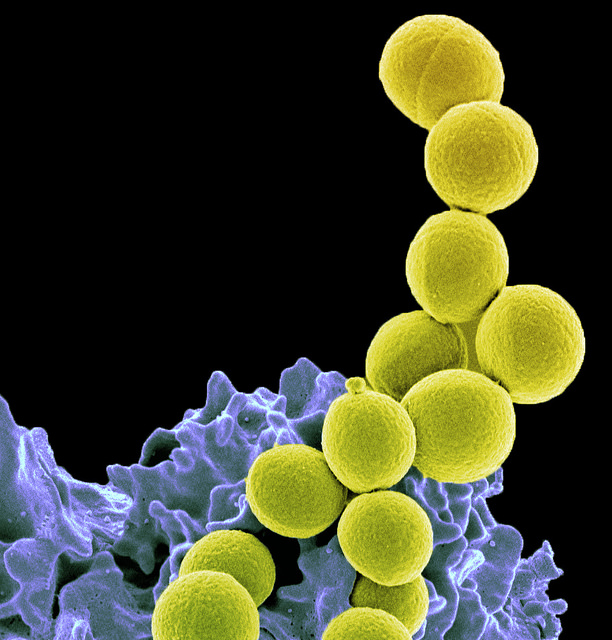
Methicillin resistant S.aureus
As with my recent post on dendritic cell vaccines [Dendritic cell vaccines: back to the future], a news item brought to mind another therapeutic concept that’s been around for decades (tens of decades, actually) without ever finding its sweet spot.

Bacteria, in common with more complicated organisms, are susceptible to virus infection. These viruses (bacteriophage or “phage”) either destroy the bacteria after infection and replication or incorporate their DNA into that of the bacterial host and hijack the replication machinery to continually pump out fresh phage. Phage are highly specific for their target bacteria, are self-replicating and quick to mutate to overcome resistance.

On paper, these properties make for a potentially useful therapy, allowing the targeting of disease-causing bacteria without collateral damage among normal (and useful) bacteria. Starting in the 1920s, phage therapy gained a clinical following, although largely confined to Georgia and the rest of the Soviet Union (the pioneering laboratory, now known as the Eliava Institute, is still in operation and offering phage treatments).  In the West, antibiotic discovery and development reduced phage therapy to a minor topic of academic interest.

Fast-forward to the 21st century, where the management of multi-drug resistant (MDR) infection, often involving very frail patients, is now a regular challenge and is fostering renewed interest in phage therapy. Although no phage therapy has ever received regulatory approval, the US Food and Drug Administration have permitted use as a treatment of last resort on a case by case basis.

There have been notable successes, including cure of a MDR infection of the pancreas; an individual with cystic fibrosis and a MDR lung infection was not so fortunate, AmpliPhi, a US company specialising in phage therapy development has treated MDR infections in two patients scheduled for lung transplantation, both resulting in successful outcomes.

Major hurdles remain before phage therapy can be relied on as a reliable weapon against MDR infection. The exquisite specificity of phage is two-edged: phage capable of eliminating the exact strain of infecting bacteria must be identified prior to therapy. Bacterial susceptibility to phage can change as infection progresses, and a cocktail of phage offers a higher chance of eliminating infection. AmpliPhi combined 15 different phage to treat lung infection in one patient.  Growing sufficient quantities of phage and removing all traces of potentially harmful bacterial components to allow safe intravenous administration is another technical challenge.

Solutions to the “find a phage” problem are in development, from the online Phage Directory, which attempts to match patients with available phage strains, through to the use of DNA sequencing and artificial intelligence by AmpliPhi, Adaptive Phage Therapeutics and EpiBiome.

AmpliPhi has successfully developed processes for the manufacture of pharmaceutical grade phage products and is banking that its “pre-mixed” phage cocktails for the treatment of MDR Staphylococcus aureus and MDR Pseudomonas aeurginosa infections will prove to be a practical and immediate means of delivering phage therapy. Drawing on sobering experience gained in a European study that set out to evaluate phage therapy in burns patients, Belgium has developed a legal and regulatory framework to promote timely preparation of therapeutic phage by research laboratories.

Mainstream acceptance (and commercial success) lies someway in the future. Defined “pre-mixed” phage cocktails pose less of a regulatory challenge but their efficacy and optimal use in infection management remains to be defined. “Bespoke” phage therapy has interesting parallels with personalized cancer therapies, such as CAR-T and neoantigen vaccines, where therapy is matched to the patient and manufactured to order. As in the case of CAR-T therapy, the deep pockets and logistical expertise of one or more global pharmaceutical companies will be essential to clinical adoption.

Photo credit: Credit: National Institute of Allergy and Infectious Diseases, National Institutes of Health.

Saturday, 2 June 2018

Dendritic cell vaccines: back to the future

Dendritic cell (computer generated from
EM scan)
Two news announcements in recent weeks sent me tripping down memory lane and musing on the number of once promising therapeutic concepts that have never lived up to their billing. 

At the turn of the century, dendritic cell vaccination was seen as the great leap forward for cancer immunotherapy. The concept is simple, although execution less so. The body’s recognition of infectious agents or cancer cells as being “foreign” starts with how antigens are presented to the immune system by specialised, wait for it, “antigen presenting cells”, of which dendritic cells (DCs) elicit the most potent T-cell responses. 

DCs can be readily harvested from bone marrow or peripheral blood, primed in the laboratory to recognise tumour antigens, expanded and matured in culture and then infused back into the patient, ready to kick-start a cancer-fighting cellular immune response. The challenge of commercialising DC vaccination proved to be as much logistical as immunological with only one company, Seattle-based Dendreon Corporation, successfully overcoming the hurdles of DC collection, processing and delivering adequate amounts of patient-specific vaccine, all in a manner satisfactory to regulatory agencies.  

Dendreon’s one and only product, Provenge®, received approval as a treatment for hormone-refractory (“castration resistant”) metastatic prostate cancer in 2010. While hailed as a milestone in cancer vaccine development, Provenge® was approved on the basis of a 4 month improvement in median survival over placebo, at a treatment cost of $93,000. Confusion over reimbursement, scepticism over benefit, competition from conventional chemotherapy, low margins and heavy corporate debt resulted in Dendreon filing for bankruptcy at the end of 2014, with Provenge® and the manufacturing assets being first acquired by Valeant in early 2015 and then by Sanpower Group, a Chinese conglomerate, in early 2017. 

Sanpower, while eyeing China and other new markets, is hoping that a new Provenge® study in men with early-stage prostate cancer might lead to an expanded label indication.  Prostate cancer progression is slow is most men, and “watchful waiting” is an option to surgery and/or radiotherapy. Provenge® therapy might usefully slow progression, although proof of this is at least five years away. 

A near-neighbour of Dendreon’s, Northwest Biotherapeutics is another long-standing champion of DC vaccination, its  lead product being DCVax®-L, a personalised vaccine for glioma, an aggressive form of brain cancer. DCs are primed using material from the patient’s own tumour. Northwest has a history that can reasonably be described as “colourful”, involving allegations of related party transactions, mysterious delays in the reporting data from a Phase III study first registered in 2002 (variously attributed to the Christmas holidays and a severe outbreak of flu among senior management), and a subsequent exit from NASDAQ. 

With broad, and misleadingly enthusiastic, coverage in the popular press, Northwest recently provided an update on progress in the Phase III glioma study, now in its 11th year. Well, better late than never, but as others have pointed out, it doesn’t actually say that much, being interim (and blinded) data. The data set stands at 331 subjects (DCVax®-L and placebo-treated) although interpretation is complicated by the cross-over study design, as patients with tumour recurrence (a racing certainty in glioma) were allowed to receive the vaccine. 

A breakdown of survival by factors known to influence outcome (the degree of resection, patient age and the ability to better metabolise chemotherapydrug) hints at an increase in survival , but the conclusion is no stronger than “Collectively, the blinded interim survival data suggest that the patients in this Phase 3 trial are living longer than expected”.  Proof of significant benefit awaits primary outcome data (progression-free survival). 

While a treatment that improves survival in glioma is sorely needed,  and a better-tolerated alternative to chemotherapy might be preferable for some prostate cancer patients, DCVax®-L or Provenge® successes are unlikely to lead to a renaissance in DC vaccine interest, as the spotlight has long since shifted to CAR-T and other cellular immunotherapies, small molecule and biologic immuno-oncology drugs that rekindle anti-tumour immune responses and neoantigen-based cancer vaccine strategies. 

Ironically, without the pioneering work of Dendreon, both in DC vaccine manufacturing logistics and establishing enhanced survival, the industry might never have embraced cancer immunotherapy development with anything like the current degree of enthusiasm. 

Photo credit:  Bliss, D  and Subramaniam, S. National Cancer Institute.


Saturday, 7 April 2018

IDO a no-go: what’s up next in immuno-oncology combination therapy?

IDO inhibitors: only stalled or
now off-road?
Earlier this year, I mused on the prospects for inhibitors of IDO (indoleamine-2,3-dioxygenase-1),then considered among the most promising of small molecule drugs that might safely enhance the effectiveness of immune checkpoint inhibitors [Are IDO inhibitors still the next big thing in immuno-oncology? ]. 

While attracting big pharma interest (and partnering dollars), IDO inhibitor clinical development progress has been mixed, with both Roche and Pfizer abandoning early-stage clinical collaborations, leaving Incyte Pharma’s epacadostat in the spotlight and all eyes on the outcome of ECHO-301, a Phase III clinical study designed to establish whether combination treatment with epacadostat and Merck’s anti-PD-1 immune checkpoint inhibitor, pembrolizumab (Keytruda®), first approved as a melanoma treatment in 2014 might further benefit patients with advanced melanoma. 

According to a joint release from Merck and Incyte, data analysis indicates that, in contrast to Phase II study findings, combination treatment did not result in an improvement in progression-free survival over Keytruda® alone, nor is a meaningful increase in overall survival anticipated. 

The ECHO-301 study is to be halted and it’s likely that that a raft of other studies involving epacadostat- pembrolizumab combination treatment in colorectal, gastric, non-small cell lung, bladder cancer and other solid tumours will be put on hold or terminated. AstraZeneca may be having second thoughts over planned combination studies with their anti-PD-L1 inhibitor.

NewLink Genetics, a pioneer of IDO inhibitor development which has also experienced development setbacks, has been hit by the fallout, suffering a hefty dent in share price and prompting a review of its planned clinical programmes. Bristol Myers Squibb may face the same dilemma with respect to continuing patient recruitment for a Phase III study of its own IDO inhibitor, BMS-986205, in combination with its anti-PD1 drug, nivolumab (Opdivo®). 

Tryptophan metabolism plays a key role in tumour immunosuppression and while epacadostat’s failure will prompt a major rethink of drug development strategy, the door may remain open for those developers focused on different targets within the IDO pathway. Success with epacdostat would have handed Merck a significant advantage over its rivals in the immune checkpoint inhibitor field, but with hundreds of pembrolizumab clinical studies ongoing or in the process of recruiting subjects, Merck remains a strong player in the long game.

The demise of IDO inhibitors (at least for the time being) will move expectation to other “second wave” immuno-oncology drugs, although all are in relatively early stage clinical development. Those catching the interest of oncologists and industry analysts include BMS’s relatlimab, which targets LAG3 (Lymphocyte activation gene 3), a promising immune checkpoint inhibitor expressed on tumour-infiltrating T cells: early studies in melanoma patients have hinted at responses in patients failing to benefit from Opdivo® alone. Recruitment is underway for studies in patients with renal, gastric, lung or colorectal cancers. 

BMS is also evaluating combination with NKTR-214 (Nektar Therapeutics), a protein drug which targets a receptor (CD122) expressed by tumour-infiltrating T cells, in patients with a variety of advanced solid cancers. Pfizer has hopes that utomilumab, an antibody directed against CD137 (4-1BB), a receptor present on a variety of immune cells and also expressed by some tumours, will synergise with anti-PD1 and other immuno-oncology treatments.

There are a variety of possible permutations of established immune checkpoint inhibitors and investigational agents waiting to be explored. Combination therapy has its drawbacks with respect to balancing efficacy and safety and of course cost. In the longer term, it can only be hoped that the current generation of IO drugs will be replaced by next-generation agents able to safely achieve meaningful clinical responses in their own right. 

Photo credit: Pujanak from Wikimedia Commons