Welcome to the Alexander Yule Consulting Blog

Tuesday, 19 June 2018

Atopic dermatitis: more than skin deep


Dampening down systemic inflammation with targeted
therapies offers new treatment options for AD sufferers

With much of biopharmaceutical development aimed at newsworthy high profile indications (cancer, genetic disease and spinal injury, for example) it’s easy to overlook the advances being made in treating common conditions which, while not life threatening, result in chronic discomfort for millions. 

Eczema (atopic dermatitis- AD), will be a pretty familiar topic to many parents, with up to 20% of children experiencing itchy misery. AD is an immune disorder and associated with other childhood allergic conditions. Skin bacteria and defects in skin permeability also play a part. 

AD in children is generally mild and self-limiting but can persist or reappear in later life. Around 2-5% of adults suffer from AD, of which half consider their condition to be moderate to severe. 

Self-management with emollients and vigilant skin care help, but effective relief may require topical steroid or calcineurin inhibitors (a class of potent immunosuppressant drugs) treatment, although these are not always effective or well tolerated. Oral steroids or immunosuppressant drugs such as cyclosporine are reserved for those failing other treatments and are limited to short-term use. 

Realisation that AD is essentially a systemic (and not topical) inflammatory condition has led to a shift in therapeutic development towards treatments which target key cytokines and enzymes involved in the inflammatory process. 

Two cytokines in particular, IL-13 and IL-4,  are associated with AD (a third, IL-31, is thought to be responsible for the hallmark itchiness of AD) and blocking their corresponding receptors by antibody drugs can effectively damp down inflammation. The first of these, dupilumab (Dupixent®: Sanofi/Regeneron) received regulatory approval in Europe and the US in late 2017.  Several other anti-cytokine antibodies are in the pipeline, including nemolizumab (Chugai/Galderma: Phase II:); tralokinumab (Leo Pharma: Phase III), and lebrikizumab (Dermira: Phase II). 

As the first systemic biologic AD treatment out of the trap, Dupixent® could set a high hurdle for later entrants, with analysts predicting peak global sales of around $3 billion as an AD treatment alone (Dupixent is also under consideration as a treatment for severe asthma). However, at an annual treatment cost of around $37,000 in the US and with UK pricing of close to £1,265 per 2 syringe pack, payers will take some convincing. The UK’s National Institute for Clinical Excellence has already queried Dupixent’s cost effectiveness. 

Small molecule non-steroidal topical and oral treatments will likely further broaden treatment options in AD. Crisaborole (Eucrisa®: Pfizer), a topically applied inhibitor of PDE4, an enzyme involved in cytokine release, was approved in the US in 2016 (and is currently under review in Europe) for the treatment of mild to moderate AD in adults and children. Questions remain over cost-effectiveness (a 60g tube costs around $580) but Eucrisa® does appear to provide some patients with a needed break from topical therapy and is a more acceptable option for facial treatment. Other topical PDE4 inhibitors are in the pipeline, including difamilast (Otsuka Pharmaceutical) and lotamilast (Dermavant). An oral PDE4 inhibitor, apremilast (Otezla®: Celgene, and already approved for the treatment of other immune disorders) has shown some efficacy in AD. 

The enzyme JAK1 (Janus kinase) is central to cytokine action and a number of JAK1 inhibitors are in clinical development as both topical and oral AD treatments, including baricitinib (Eli Lilly: Phase II, already approved as a rheumatoid arthritis treatment); PF-04965842 (Pfizer: Phase II); upadacitinib (AbbVie: Phase II), and the topically administered ruxolitinib (Incyte: Phase II, already approved for other conditions) and delgocitinib (Leo Pharma/Japan Tobacco). The oral anti-histamine ZPL-389 (Ziarco/Novartis), while ineffective in asthma studies, remains in clinical development as a potential AD treatment. 

Establishing the efficacy and safety of novel biologics and small molecules in AD still has some while to go, but it’s a safe bet that Dupixent® and Eucrisa® will eventually be joined by further treatment options for AD sufferers who do not enjoy adequate relief using current therapies. Effective oral therapies that eliminate or substantially reduce topical steroid use have the potential to transform the AD treatment market. 

Photo credit: Jean Beaufort 2017.

Saturday, 9 June 2018

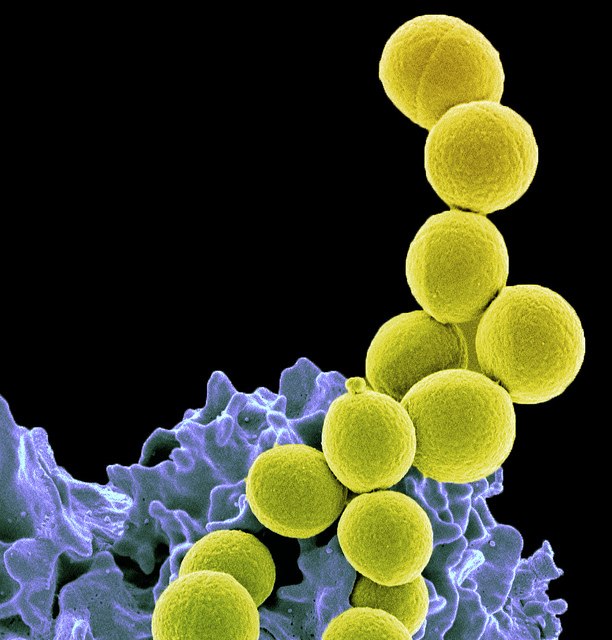
A century on, can phage therapy deliver in the management of multi-drug resistant bacterial infection?

Methicillin resistant S.aureus
As with my recent post on dendritic cell vaccines [Dendritic cell vaccines: back to the future], a news item brought to mind another therapeutic concept that’s been around for decades (tens of decades, actually) without ever finding its sweet spot.

Bacteria, in common with more complicated organisms, are susceptible to virus infection. These viruses (bacteriophage or “phage”) either destroy the bacteria after infection and replication or incorporate their DNA into that of the bacterial host and hijack the replication machinery to continually pump out fresh phage. Phage are highly specific for their target bacteria, are self-replicating and quick to mutate to overcome resistance.

On paper, these properties make for a potentially useful therapy, allowing the targeting of disease-causing bacteria without collateral damage among normal (and useful) bacteria. Starting in the 1920s, phage therapy gained a clinical following, although largely confined to Georgia and the rest of the Soviet Union (the pioneering laboratory, now known as the Eliava Institute, is still in operation and offering phage treatments).  In the West, antibiotic discovery and development reduced phage therapy to a minor topic of academic interest.

Fast-forward to the 21st century, where the management of multi-drug resistant (MDR) infection, often involving very frail patients, is now a regular challenge and is fostering renewed interest in phage therapy. Although no phage therapy has ever received regulatory approval, the US Food and Drug Administration have permitted use as a treatment of last resort on a case by case basis.

There have been notable successes, including cure of a MDR infection of the pancreas; an individual with cystic fibrosis and a MDR lung infection was not so fortunate, AmpliPhi, a US company specialising in phage therapy development has treated MDR infections in two patients scheduled for lung transplantation, both resulting in successful outcomes.

Major hurdles remain before phage therapy can be relied on as a reliable weapon against MDR infection. The exquisite specificity of phage is two-edged: phage capable of eliminating the exact strain of infecting bacteria must be identified prior to therapy. Bacterial susceptibility to phage can change as infection progresses, and a cocktail of phage offers a higher chance of eliminating infection. AmpliPhi combined 15 different phage to treat lung infection in one patient.  Growing sufficient quantities of phage and removing all traces of potentially harmful bacterial components to allow safe intravenous administration is another technical challenge.

Solutions to the “find a phage” problem are in development, from the online Phage Directory, which attempts to match patients with available phage strains, through to the use of DNA sequencing and artificial intelligence by AmpliPhi, Adaptive Phage Therapeutics and EpiBiome.

AmpliPhi has successfully developed processes for the manufacture of pharmaceutical grade phage products and is banking that its “pre-mixed” phage cocktails for the treatment of MDR Staphylococcus aureus and MDR Pseudomonas aeurginosa infections will prove to be a practical and immediate means of delivering phage therapy. Drawing on sobering experience gained in a European study that set out to evaluate phage therapy in burns patients, Belgium has developed a legal and regulatory framework to promote timely preparation of therapeutic phage by research laboratories.

Mainstream acceptance (and commercial success) lies someway in the future. Defined “pre-mixed” phage cocktails pose less of a regulatory challenge but their efficacy and optimal use in infection management remains to be defined. “Bespoke” phage therapy has interesting parallels with personalized cancer therapies, such as CAR-T and neoantigen vaccines, where therapy is matched to the patient and manufactured to order. As in the case of CAR-T therapy, the deep pockets and logistical expertise of one or more global pharmaceutical companies will be essential to clinical adoption.

Photo credit: Credit: National Institute of Allergy and Infectious Diseases, National Institutes of Health.

Saturday, 2 June 2018

Dendritic cell vaccines: back to the future

Dendritic cell (computer generated from
EM scan)
Two news announcements in recent weeks sent me tripping down memory lane and musing on the number of once promising therapeutic concepts that have never lived up to their billing. 

At the turn of the century, dendritic cell vaccination was seen as the great leap forward for cancer immunotherapy. The concept is simple, although execution less so. The body’s recognition of infectious agents or cancer cells as being “foreign” starts with how antigens are presented to the immune system by specialised, wait for it, “antigen presenting cells”, of which dendritic cells (DCs) elicit the most potent T-cell responses. 

DCs can be readily harvested from bone marrow or peripheral blood, primed in the laboratory to recognise tumour antigens, expanded and matured in culture and then infused back into the patient, ready to kick-start a cancer-fighting cellular immune response. The challenge of commercialising DC vaccination proved to be as much logistical as immunological with only one company, Seattle-based Dendreon Corporation, successfully overcoming the hurdles of DC collection, processing and delivering adequate amounts of patient-specific vaccine, all in a manner satisfactory to regulatory agencies.  

Dendreon’s one and only product, Provenge®, received approval as a treatment for hormone-refractory (“castration resistant”) metastatic prostate cancer in 2010. While hailed as a milestone in cancer vaccine development, Provenge® was approved on the basis of a 4 month improvement in median survival over placebo, at a treatment cost of $93,000. Confusion over reimbursement, scepticism over benefit, competition from conventional chemotherapy, low margins and heavy corporate debt resulted in Dendreon filing for bankruptcy at the end of 2014, with Provenge® and the manufacturing assets being first acquired by Valeant in early 2015 and then by Sanpower Group, a Chinese conglomerate, in early 2017. 

Sanpower, while eyeing China and other new markets, is hoping that a new Provenge® study in men with early-stage prostate cancer might lead to an expanded label indication.  Prostate cancer progression is slow is most men, and “watchful waiting” is an option to surgery and/or radiotherapy. Provenge® therapy might usefully slow progression, although proof of this is at least five years away. 

A near-neighbour of Dendreon’s, Northwest Biotherapeutics is another long-standing champion of DC vaccination, its  lead product being DCVax®-L, a personalised vaccine for glioma, an aggressive form of brain cancer. DCs are primed using material from the patient’s own tumour. Northwest has a history that can reasonably be described as “colourful”, involving allegations of related party transactions, mysterious delays in the reporting data from a Phase III study first registered in 2002 (variously attributed to the Christmas holidays and a severe outbreak of flu among senior management), and a subsequent exit from NASDAQ. 

With broad, and misleadingly enthusiastic, coverage in the popular press, Northwest recently provided an update on progress in the Phase III glioma study, now in its 11th year. Well, better late than never, but as others have pointed out, it doesn’t actually say that much, being interim (and blinded) data. The data set stands at 331 subjects (DCVax®-L and placebo-treated) although interpretation is complicated by the cross-over study design, as patients with tumour recurrence (a racing certainty in glioma) were allowed to receive the vaccine. 

A breakdown of survival by factors known to influence outcome (the degree of resection, patient age and the ability to better metabolise chemotherapydrug) hints at an increase in survival , but the conclusion is no stronger than “Collectively, the blinded interim survival data suggest that the patients in this Phase 3 trial are living longer than expected”.  Proof of significant benefit awaits primary outcome data (progression-free survival). 

While a treatment that improves survival in glioma is sorely needed,  and a better-tolerated alternative to chemotherapy might be preferable for some prostate cancer patients, DCVax®-L or Provenge® successes are unlikely to lead to a renaissance in DC vaccine interest, as the spotlight has long since shifted to CAR-T and other cellular immunotherapies, small molecule and biologic immuno-oncology drugs that rekindle anti-tumour immune responses and neoantigen-based cancer vaccine strategies. 

Ironically, without the pioneering work of Dendreon, both in DC vaccine manufacturing logistics and establishing enhanced survival, the industry might never have embraced cancer immunotherapy development with anything like the current degree of enthusiasm. 

Photo credit:  Bliss, D  and Subramaniam, S. National Cancer Institute.


Saturday, 7 April 2018

IDO a no-go: what’s up next in immuno-oncology combination therapy?

IDO inhibitors: only stalled or
now off-road?
Earlier this year, I mused on the prospects for inhibitors of IDO (indoleamine-2,3-dioxygenase-1),then considered among the most promising of small molecule drugs that might safely enhance the effectiveness of immune checkpoint inhibitors [Are IDO inhibitors still the next big thing in immuno-oncology? ]. 

While attracting big pharma interest (and partnering dollars), IDO inhibitor clinical development progress has been mixed, with both Roche and Pfizer abandoning early-stage clinical collaborations, leaving Incyte Pharma’s epacadostat in the spotlight and all eyes on the outcome of ECHO-301, a Phase III clinical study designed to establish whether combination treatment with epacadostat and Merck’s anti-PD-1 immune checkpoint inhibitor, pembrolizumab (Keytruda®), first approved as a melanoma treatment in 2014 might further benefit patients with advanced melanoma. 

According to a joint release from Merck and Incyte, data analysis indicates that, in contrast to Phase II study findings, combination treatment did not result in an improvement in progression-free survival over Keytruda® alone, nor is a meaningful increase in overall survival anticipated. 

The ECHO-301 study is to be halted and it’s likely that that a raft of other studies involving epacadostat- pembrolizumab combination treatment in colorectal, gastric, non-small cell lung, bladder cancer and other solid tumours will be put on hold or terminated. AstraZeneca may be having second thoughts over planned combination studies with their anti-PD-L1 inhibitor.

NewLink Genetics, a pioneer of IDO inhibitor development which has also experienced development setbacks, has been hit by the fallout, suffering a hefty dent in share price and prompting a review of its planned clinical programmes. Bristol Myers Squibb may face the same dilemma with respect to continuing patient recruitment for a Phase III study of its own IDO inhibitor, BMS-986205, in combination with its anti-PD1 drug, nivolumab (Opdivo®). 

Tryptophan metabolism plays a key role in tumour immunosuppression and while epacadostat’s failure will prompt a major rethink of drug development strategy, the door may remain open for those developers focused on different targets within the IDO pathway. Success with epacdostat would have handed Merck a significant advantage over its rivals in the immune checkpoint inhibitor field, but with hundreds of pembrolizumab clinical studies ongoing or in the process of recruiting subjects, Merck remains a strong player in the long game.

The demise of IDO inhibitors (at least for the time being) will move expectation to other “second wave” immuno-oncology drugs, although all are in relatively early stage clinical development. Those catching the interest of oncologists and industry analysts include BMS’s relatlimab, which targets LAG3 (Lymphocyte activation gene 3), a promising immune checkpoint inhibitor expressed on tumour-infiltrating T cells: early studies in melanoma patients have hinted at responses in patients failing to benefit from Opdivo® alone. Recruitment is underway for studies in patients with renal, gastric, lung or colorectal cancers. 

BMS is also evaluating combination with NKTR-214 (Nektar Therapeutics), a protein drug which targets a receptor (CD122) expressed by tumour-infiltrating T cells, in patients with a variety of advanced solid cancers. Pfizer has hopes that utomilumab, an antibody directed against CD137 (4-1BB), a receptor present on a variety of immune cells and also expressed by some tumours, will synergise with anti-PD1 and other immuno-oncology treatments.

There are a variety of possible permutations of established immune checkpoint inhibitors and investigational agents waiting to be explored. Combination therapy has its drawbacks with respect to balancing efficacy and safety and of course cost. In the longer term, it can only be hoped that the current generation of IO drugs will be replaced by next-generation agents able to safely achieve meaningful clinical responses in their own right. 

Photo credit: Pujanak from Wikimedia Commons

Sunday, 25 March 2018

Spinal cord injury: hope on the horizon

Might stem cell grafting or 
neuromodulation enable spinal cord
reconnection?

A few years ago, I undertook a review of developments in spinal cord injury (SCI) repair that left a deep appreciation of how just how great (and complex) the technological challenge of restoring even partial function following SCI actually is. 

The spinal cord, like the brain, is normally biologically isolated from the rest of the body: injury breaches this barrier, triggering an inflammatory response and death of cells essential for repair and maintenance (oligodendrocytes). In the days and weeks following SCI, glial cell proliferation results in scarring which, while reducing inflammation and improving the integrity of the injury site, creates an environment hostile to repair.

Much hope has been placed in stem cell transplantation, and while early clinical studies in handful of SCI patients have shown hints of improvement in motor function, unknowns remain around the choice of stem cell with respect to efficacy and safety (tumour formation is a potential risk), dosing, and how to best create a favourable environment to encourage transplanted cell growth, either mechanically with 3D biocompatible “scaffolds” and/or pharmacological modulation. 

Intuitively, stem cells derived from the central nervous system tissue might be among the right tools for the job. University of California researchers have demonstrated that stem cells (neural progenitor cells-NPCs) prepared from human embryonic spinal cord are capable of surviving and maturing when transplanted in monkeys with SCI, with evidence of differentiation into key cell types (neuronal and glial cells), conductive nerve fibre (axon) elongation and bridging of the injury site, and synapse formation. Moreover, partial restoration of forelimb function was noted several months after months after transplantation.

The UC study is of note due to the large numbers of new axons observed extending out of the injury site and into the adjacent spinal cord, suggesting the feasibility of recreating circuitry essential for function. Regeneration of corticospinal axons, responsible for voluntary movement was also observed. Translation into the clinical setting will be slow, but the UC success should encourage further investigation and development of NPC transplantation. 

Complete severance of the spinal cord is rare, and a majority of SCI patients have potentially functioning nerve fibres spanning the site of injury, leaving the prospect, albeit of low probability, of some degree of sensory and motor function recovery. A growing number of clinical studies suggest than epidural electrical stimulation (“neuromodulation”) in combination with intensive physical rehabilitation might increase the odds for a least some SCI patients.

A group of Swiss researchers have investigated the mechanisms involved in SCI recovery in an animal model to better understand the how (re)-connectivity might be encouraged, with the finding that a combination of neuromodulation and intensive rehabilitation promotes the functional connection of the motor cortex to nerves below the injury site via the brainstem. 

Combining neuromodulation, drug treatment and mechanical means of encouraging locomotion may be a route to restoring some degree of function in SCI and a first-in-man study (“STIMO”: Epidural Electrical Simulation (EES) With Robot-assisted Rehabilitation in Patients With Spinal Cord Injury) is underway, with results anticipated mid-2018. 

There is still a long and hard road to be travelled before SCI can be considered as a generally treatable condition, but it’s encouraging to see translational research across different disciplines offering the prospect of new treatment options and perhaps becoming attractive to commercial healthcare players with needed expertise in cell-based therapy and spinal stimulation technology development. 


Saturday, 3 March 2018

Another “bugs and cancer” post. Can bacteria reduce the risk of skin cancer?

Melanoma lesion. Do bacteria contribute to 
our skin cancer defences?
Research into (and clinical and commercial exploitation of) our bacterial travelling companions has so far largely focused on the relationship between gut dwellers and health. As the largest organ of the body (at between 6% and 10% of total body weight), and with the function of keeping the inside safe from the outside, it’s perhaps not surprising that human skin has evolved a rich and complex microbiome which can influence the course of disease.

In common with Planet Earth as described in the “Hitchhiker’s Guide to the Galaxy”, skin bacteria are “mostly harmless”, although physiological changes can make us susceptible to blemishes and rashes caused largely by Staphylococcus aureus and, that bane of teenagers, Propionibacterium acnesSkin bacteria in the wrong place (the blood stream, newly-replaced hip joints) are always bad news.

But, by and large, the skin microbiome functions well to keep potential pathogens in check through a variety of mechanisms, including production of selective antibacterial agents and the downregulation of inflammation. One of the most studied of these “good guy “bacteria is Staphylococcus epidermis. Collaboration between researchers at the University of California, San Diego, and other institutes has uncovered a possible association between certain strains of S.epidermis and suppression of the skin cancer, melanoma.

While attempting to better characterise the selective antibacterial activity of S.epidermis, the UCSD group identified a strain producing 6-N-hydroxyaminopurine (6-HAP), a suppressor of DNA synthesis. S.epidermis 6-HAP was established to be non-toxic, with no evidence of the mutagenic effects associated with chemically-synthesised 6-HAP. When tested in the laboratory, 6-HAP was active against squamous cell carcinoma and melanoma cell lines, and to a lesser extent, lymphoma cells. 

Systemic treatment of mice in which human melanoma tumours had been established with 6-HAP resulted in a 60% reduction in tumour size, while colonization of the skin of mice with the 6-HAP-producing S.epidermis strain significantly reduced the occurrence of UV light-induced skin cancer over mice identically treated with a non-6-HAP-producing strain.

Early days, but this does raise the possibility that in addition to their established “anti-pathogen” role, S.epidermis and possibly other commensal skin bacteria might actively contribute to tumour suppression through early elimination of transformed cells. The 6-HPA-producing  strain appears to be common “in the wild” and epidemiological studies might perhaps someday establish an association between 6-HPA producers (or their absence) and melanoma prevalence. 

The UCSD researchers are hopeful of exploiting their findings through a start-up company, MatriSys Bioscience, with the notion of restoring or modifying the skin microbiome. Effecting colonization with a 6-HAP-producing S.epidermis strain could conceivably reduce susceptibility to melanoma and other skin cancers, but given the multifactorial nature of cancer, it’s not something that will be easy to establish in the context of clinical studies. Nevertheless, the UCSD study does underscore that outer microbiome research has an importance beyond better treatments for eczema and acne.

Photo credit: NCI

Friday, 23 February 2018

Going viral

False colour image of herpes virus. 
That certain viruses cause or promote cancer has been known for decades, prompting the development of effective vaccination against human papilloma virus  and hepatitis B and curative  drug treatments for hepatitis C to protect against or eliminate these cancer-causing (“oncogenic”) viruses.  Conversely, viruses also have the potential to be useful allies in cancer treatment.

Destruction of tumour cells as a consequence of viral infection was first observed in the 1950s, leading to empirical, and largely unsuccessful, clinical experimentation. In the last 20 years, the capability to genetically modify viruses and culture them consistently in quantity has allowed the practical exploitation of tumour-destroying viruses to be revisited. 

A variety of common viruses (including herpes, measles, and polio viruses) are “oncolytic”, that is they can selectively infect and rupture cancer cells and, in doing so, usefully redirect the innate and adaptive immune responses towards the tumour. Lysis is also believed to reveal tumour antigens normally hidden from immune system recognition and can disrupt blood vessels essential for tumour survival.

The other side of immune recognition (and memory) is that prior encounters with the myriad  of viruses that we are naturally exposed to serves to blunt the effectiveness of oncolytic viruses, by either thwarting their spread within the tumour, or through neutralization before the virus reaches the tumour. The latter can be circumvented by administering the virus directly into the tumour, albeit not a convenient way of dosing, while substantial ingenuity has been applied to improving the effectiveness of virotherapy through chemically masking viruses from immune recognition or using viral strains not normally encountered by humans, permitting systemic rather than local administration.

Other enhancements aimed at improving the safety and effectiveness of virotherapy have included genetic modification to more efficiently target molecules expressed only by tumours, to promote viral replication within cancer cells, and to express proteins that boost anti-tumour immunity. Despite numerous clinical studies across a range of tumour types, including combination with chemotherapy or radiotherapy, consistent and compelling efficacy data has largely eluded virotherapy. 

This might be set to change. Virotherapy has the very useful side effect of upregulating immune checkpoint inhibitor expression, opening up prospects for improving clinical response rates in combination immunotherapy.

This week saw Merck take a plunge into virotherapy with the acquisition of Viralytics, an Australian biotech that has successfully taken a therapy exploiting a common cold virus into the clinic. Merck have gambled $394 million on the Viralytics candidate being synergistic with their blockbuster PD-1 immune checkpoint inhibitor, Keytruda®.

Amgen, the first global biopharmaceutical company to venture into virotherapy in 2011 with the acquisition of BioVex and its lead development candidate, since rebranded as Imlygic™ (talimogene laherparepvec or “T-Vec”) has shown that the combination of Imlygic™ and the CTl4-A checkpoint inhibitor Yervoy® resulted in a doubling in clinical response rates over Yervoy® alone in melanoma patients. Amgen and Merck are co-sponsors of an ongoing Phase II clinical study evaluating T-Vec in combination with Keytruda® in sarcoma patients.

While the Merck deal offers encouragement for the raft of small and mid-cap biotechs pursuing virotherapy development, it remains to be seen whether these “living drugs” can hold their own against the multitude of more easily manufactured and administered biologic and small molecule immunotherapies also under evaluation in immune checkpoint combination studies.  That said, further tweaking could eventually establish virotherapy as a potent means of triggering innate and adaptive immune responses across a spectrum of solid tumours, irrespective of checkpoint inhibitor expression, immune infiltration or degree of tumour mutation.

Photo credit: Credit: NIH Image gallery. Bernard Heymann, Ph.D., NIAMS Laboratory of Structural Biology Research.